
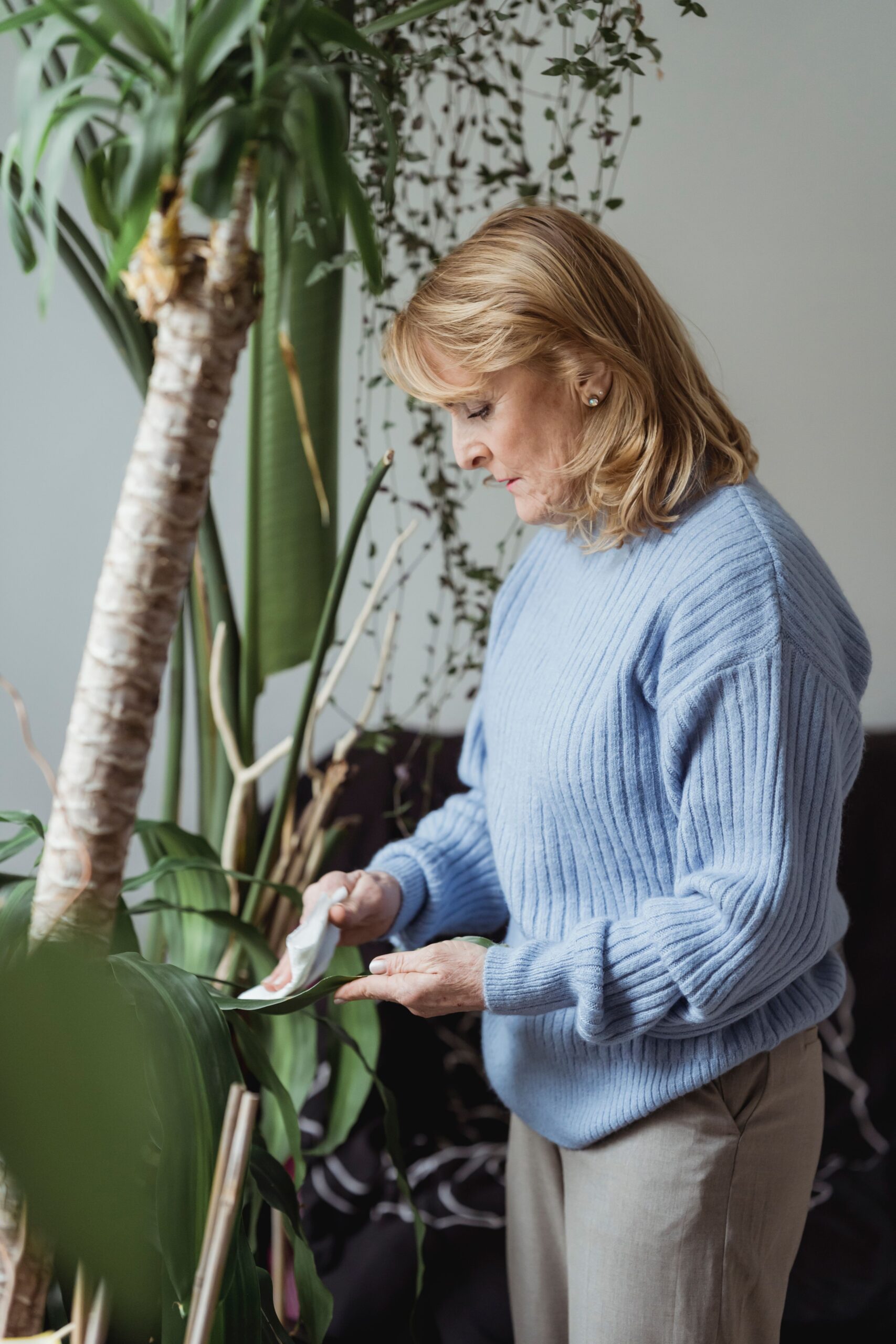
Not everyone has access to a sprawling backyard, and unpredictable spring weather across Ballarat and Geelong can sometimes keep us indoors. Fortunately, indoor horticultural therapy offers a wonderful way to experience the mental and physical benefits of nature right from your armchair or table.
For individuals receiving home support through the Support at Home Program or NDIS, indoor gardening provides a gentle, low-impact routine that builds confidence and brightens daily life.
Physical and Emotional Rewards of Indoor Gardening
Tending to living plants inside your home provides meaningful daily purpose. It offers gentle physical exercise paired with immediate emotional rewards.

1. Fine Motor Skill Maintenance
Filling a light watering can, wiping dust off smooth leaves, or pinching back dead stems keeps fingers and wrists moving. These simple actions maintain dexterity needed for daily independent living tasks.
2. Mood Elevation and Stress Reduction
Interacting with green foliage lowers cortisol (stress hormone) levels. Indoor plants introduce vibrant colors and natural shapes into rooms, reducing feelings of isolation during colder or rainier days.
Best Low-Maintenance Indoor Plants
Select hardy indoor species that thrive in ambient indoor light with minimal upkeep:
- Peace Lily (Spathiphyllum): Features rich dark green leaves and elegant white blooms. It clearly signals when it needs water by drooping slightly, offering a visual cue for care.
- Cast Iron Plant (Aspidistra elatior): Exceptionally tough and forgiving. It tolerates low-light rooms and irregular watering.
- Pothos or Devil’s Ivy (Epipremnum aureum): A trailing vine that looks lovely on a shelf or tabletop. Pinching stems back encourages fuller growth and builds grip precision.
Integrating indoor plant care into your week creates a calming rhythm that grounds your mind and nurtures your body.
Learn more about the benefits of gardening:
- Read the study on the Effects of Indoor Plants on Human Functions: A Systematic Review with Meta-Analyses
- Get technical advice for growing therapeutic gardens from the Therapeutic Horticulture Australia – Practice Guidelines.